Best Private Jet for Pet Travel: Complete Aviation & Safety Guide
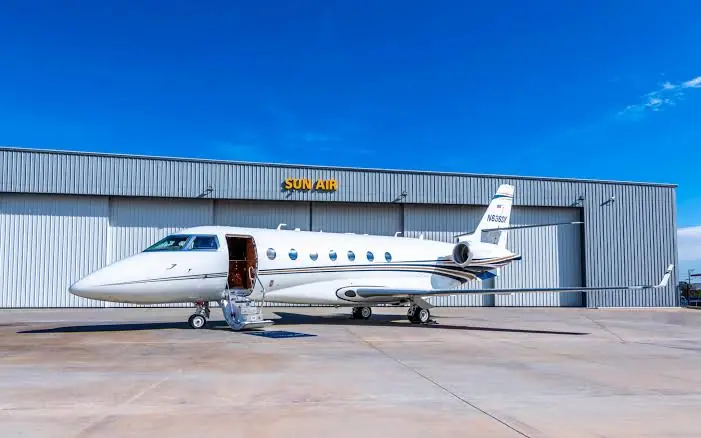
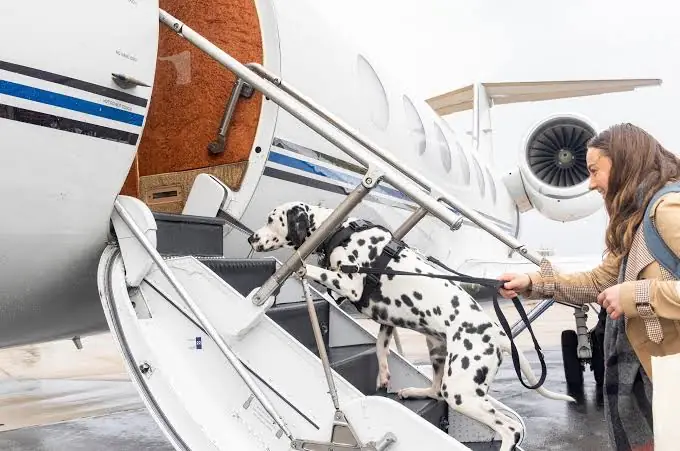
Transporting domestic animals via private aviation requires careful consideration of cabin environments, flight ranges, and regulatory rules. Commercial airlines often place animals in cargo holds, exposing them to temperature shifts and loud noises. Private charters allow pets to travel alongside their owners inside temperature-controlled passenger cabins. Evaluating appropriate airframes requires assessing how cabin pressurization, noise levels, and floor layouts affect animal comfort during flight.
Arranging safe pet transport extends beyond selecting an aircraft with sufficient cabin floor space. Total charter costs reflect baseline hourly airframe rates alongside specialized cleaning fees, pet insurance surcharges, international veterinary clearance permits, and ground transport arrangements. Flight departments and pet owners must navigate these variables to ensure animal safety while maintaining operational efficiency.
Determining appropriate aircraft across regional and transoceanic flight corridors demands a structured evaluation framework that aligns animal welfare requirements with aircraft performance capabilities. Evaluating trade-offs between turboprops, light jets, super-midsize aircraft, and heavy long-range jets enables travel managers to structure reliable flight plans. Strategic aircraft selection converts complex veterinary and aviation rules into a predictable framework for stress-free animal transport.
Understanding “best private jet for pet travel”
Multi-Perspective Evaluation Dynamics
Evaluating the best private jet for pet travel requires analyzing environmental factors rather than reviewing standard passenger seating numbers. Flight planners evaluate candidate aircraft by checking cabin altitude pressurization levels, interior sound dampening, climate control precision, and flat-floor space. Selecting an airframe tailored to animal comfort minimizes travel stress and prevents altitude-related distress in pets.
Common Misunderstandings in Pet Aviation
A frequent misunderstanding assumes that any private aircraft allows unrestricted pet travel without advance coordination. In reality, aircraft operators enforce specific pet policies, weight limits, interior protection rules, and cleaning deposit requirements. Reviewing operator rules in advance ensures smooth boarding without unexpected flight delays.
Strategic Flight Integration
Strategic flight planning treats pet transport as an integrated logistics process that aligns aviation safety with veterinary care standards. Travel managers evaluate ground transfer logistics, inflight animal restraint systems, emergency veterinary access along flight routes, and international quarantine laws. Comprehensive mission planning ensures unexpected weather diversions or customs holds do not compromise animal health.
Deep Contextual Background
Evolution of Animal Transport in Aviation
Historically, domestic animals traveling by air were restricted to commercial cargo holds under strict container regulations. Early cargo transport exposed animals to extreme noise, temperature variations, and handling stress during transit. Rising demand for humane animal transport encouraged general aviation operators to develop pet-friendly charter services.
Professionalization of Pet Charter Services
Private charter operators and specialized brokers adapted operational procedures to accommodate domestic animals inside passenger cabins. Fixed-base operators created pet-friendly lounge facilities, designated relief areas, and direct ramp vehicle access. Systemic service improvements transformed private terminals into efficient, stress-free transit points for pet owners.
Modern Regulatory and Environmental Standards
Today’s private charter market must comply with evolving international veterinary rules, import permits, and animal welfare standards. Modern aircraft feature advanced environmental control systems that maintain steady cabin temperatures and low pressure altitudes. Flight managers utilize these technologies to deliver safe, comfortable transport across domestic and international routes.
Conceptual Frameworks and Mental Models
Decision Frameworks for Pet Airframe Selection
Evaluating candidate aircraft requires structured analytical models that balance animal physical needs against airframe flight performance.
-
The Cabin Environmental Comfort Index: Assesses equivalent cabin pressure altitude, oxygen levels, and sound dampening to minimize animal anxiety.
-
The Usable Floor Space Model: Evaluates unobstructed cabin floor area required for large dogs to lie down comfortably without blocking aisles.
-
The Climate Control Precision Metric: Assesses environmental control systems capable of maintaining stable cabin temperatures during ground ops and flight.
-
The Regulatory Import Compliance Matrix: Evaluates destination quarantine laws, rabies antibody testing schedules, and international landing permits.
Framework Operational Limits
These decision frameworks face operational limits during severe summer heatwaves or unexpected international customs delays. A model prioritizing low cabin pressure altitude proves ineffective if high ambient ground temperatures cause cabin overheating prior to departure. Planning must incorporate ground air-conditioning units to protect animals during summer tarmac delays.
Framework Integration Protocols
Combining these analytical decision frameworks enables travel managers to establish objective aircraft selection guidelines. Flight departments use these models to determine when upgrading to larger aircraft provides better cabin climate control and floor space. Balancing operational capabilities against charter costs ensures animal safety while managing travel expenditures.
Key Categories or Variations
Pet-Friendly Aircraft Category Comparison
Category Trade-Offs and Selection Logic
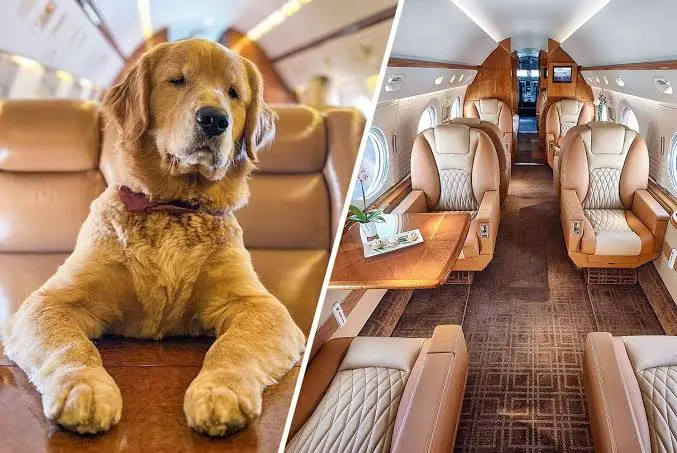
Selecting an appropriate aircraft class requires evaluating pet size, passenger counts, and overall flight distance. Light jets provide economical regional travel for small pets, though narrow aisles restrict movement for larger breeds. Heavy long-range jets offer flat floors, low cabin pressure altitudes, and quiet cabins, making them ideal for large dogs on long flights.
Cabin Ergonomics and Safety Restraints
Interior cabin layouts directly influence animal safety and comfort during turbulence or steep flight maneuvers. Flat-floor cabin designs eliminate tripping hazards, allowing large pets to settle comfortably near their owners. Certified pet harnesses attached to seatbelt structures ensure animal safety during takeoff, landing, and atmospheric turbulence.
Detailed Real-World Scenarios
Cross-Country Travel with Multiple Large Dogs
A family relocates across the country with three large Golden Retrievers requiring significant cabin space. Sourcing a light jet would cause overcrowding, as narrow aisles prevent multiple large dogs from lying down safely. Selecting a super-midsize jet with a flat floor provides sufficient space for the dogs to rest without blocking emergency exit routes.
International Transoceanic Pet Relocation
An executive family moves from New York to London accompanied by an elderly dog sensitive to cabin pressure changes. Flying commercial cargo poses severe health risks due to extreme stress and potential cargo hold temperature variations. Booking an ultra-long-range jet maintains a low cabin pressure altitude, ensuring a comfortable, stress-free flight for the aging pet.
Summer Travel to High-Temperature Destinations
A pet owner travels to a desert resort location during peak summer heat, where ground tarmac temperatures exceed 100 degrees Fahrenheit. Aircraft lacking auxiliary power units cannot maintain cabin cooling while waiting on the tarmac, posing heatstroke risks for pets. Selecting an aircraft equipped with an auxiliary power unit ensures continuous air conditioning throughout ground handling and boarding.
Managing Compounding Failure Modes
Unexpected delays during pet charter flights can create compounding logistical and health challenges for animals. Experiencing a ground delay in a foreign airport without pre-cleared veterinary paperwork can result in animal quarantine upon arrival. Travel coordinators verify import approvals and arrange local veterinary support before departure to avoid customs issues.
Planning, Cost, and Resource Dynamics
Direct and Auxiliary Pet Travel Expenditures
Evaluating pet private charter costs requires distinguishing between baseline hourly airframe rates and specialized pet handling surcharges. Direct expenses include hourly aircraft charges, fuel adjustments, and mandatory landing fees. Auxiliary costs encompass specialized carpet protection, post-flight cabin cleaning deposits, pet catering orders, and international veterinary entry permits.
Financial Expectations Across Aircraft Classes
Cleaning Deposits and Damage Liability
Charter operators impose cleaning deposits to cover specialized deep cleaning and carpet sanitation following pet flights. Minor pet accidents or excessive shedding require professional cabin detailing before the aircraft can fly its next mission. Reviewing operator cleaning fee policies in advance helps pet owners avoid unexpected post-flight charges.
Opportunity Costs and Animal Welfare
Calculating the value of private pet transport requires weighing charter costs against animal health and safety benefits. Avoiding commercial cargo holds eliminates risks of heatstroke, cold exposure, anxiety, and lost pet incidents. Protecting animal welfare and ensuring peace of mind justifies the investment in private air transport for many pet owners.
Tools, Strategies, and Support Systems
Digital Sourcing and Veterinary Planning Tools
Planning pet private aviation relies on specialized veterinary compliance databases, airframe sourcing platforms, and ground support services.
-
International Pet Import Portals: Government databases outline health certificate rules, rabies titer testing, and quarantine exemptions.
-
DEFRA-Approved Airport Directories: Registry tools identify international airports certified to process incoming animal arrivals.
-
Flight Tracking Telemetry Applications: Tracking software monitors real-time aircraft positions, weather fronts, and airport delays.
-
Auxiliary Power Unit Verification Tools: Fleet databases confirm aircraft have functional APUs for continuous cabin air conditioning.
-
Pet Harness Certification Standards: Aviation safety guidelines specify approved animal restraint systems for flight operations.
-
Inflight Pet Catering Services: Specialized providers prepare veterinarian-approved inflight meals and fresh water systems.
System Limits and Data Discrepancy Risks
Digital import portals and airport registries can occasionally contain outdated information regarding local veterinary clearance hours. Discrepancies between published airport operating hours and actual customs officer availability can lead to unexpected arrival delays. Travel managers confirm landing permits directly with destination airport handlers before flight departures.
Integrated Pet Travel Protocols
Combining airframe selection with comprehensive veterinary planning ensures smooth travel across domestic and international borders. Securing international health certificates, arranging pre-flight veterinary checkups, and packing familiar pet bedding reduces animal stress. Comprehensive planning guarantees a safe, comfortable flight experience for pets and owners alike.
Risk Landscape and Failure Modes
Vulnerabilities in Unscreened Operator Selection
Selecting charter operators without confirming their pet policies can lead to last-minute boarding rejections or unexpected fees. Some operators restrict certain animal breeds, impose strict weight caps, or require pets to remain in crates throughout the flight. Verifying operator pet rules in advance prevents boarding disputes at the airport.
International Quarantine and Documentation Errors
Failing to meet strict international pet import requirements can result in animal quarantine or forced deportation upon arrival. Countries like the United Kingdom, Japan, and Australia enforce strict rabies antibody testing and health documentation rules. Travel managers work with specialized pet travel agents to ensure all health paperwork meets destination standards.
Inflight Health Emergencies and Altitude Distress
Pets with pre-existing heart or respiratory conditions can experience medical distress caused by high cabin pressure altitudes. Rapid altitude changes can cause ear discomfort, anxiety, or breathing difficulties in brachycephalic (short-snouted) breeds. Flight crews maintain comfortable cabin pressurization and lower climb rates to protect sensitive animals.
Governance, Maintenance, and Long-Term Adaptation
Governance Frameworks and Travel Protocols
Establishing formal flight protocols ensures consistent safety and comfort across recurring pet travel itineraries. Travel managers maintain updated records of pet medical histories, vaccination certificates, and microchip documentation. Systematic record-keeping simplifies charter bookings and ensures compliance with aviation and health regulations.
Standardized Pet Travel Checklists
Utilizing standardized travel checklists ensures flight coordinators verify operator pet approvals, cabin features, and veterinary permits before departure. Flight planners inspect floor space dimensions, confirm APU availability, and pack essential pet supplies for every flight. Thorough checklist execution reduces travel risks and ensures pet safety.
Adapting Travel Plans to Pet Aging
Pet travel needs evolve as animals age and develop health conditions sensitive to cabin pressure or temperature changes. Travel managers must adapt flight arrangements, choosing aircraft with lower cabin pressure altitudes and quieter cabins for senior pets. Adjusting travel plans ensures aging animals continue to travel comfortably and safely.
Measurement, Tracking, and Evaluation
Key Performance Indicators for Pet Charters
Evaluating pet private charter performance requires tracking quantitative cost metrics alongside qualitative animal welfare indicators. Key metrics include cleaning deposit refund rates, documentation clearance speeds, and post-flight animal stress levels. Tracking performance data helps travel managers refine aircraft selection criteria for future trips.
Core Evaluation Metrics
-
Cleaning Deposit Retention Ratio: Tracks the percentage of cleaning deposits returned after flight completion audits.
-
Documentation Clearance Compliance: Measures successful customs and veterinary clearances without arrival delays.
-
Cabin Climate Stability Index: Evaluates the consistency of cabin temperatures during ground operations and flight.
-
Post-Flight Recovery Speed: Assesses how quickly pets return to normal behavior and eating routines after landing.
Documentation Standards
Maintaining detailed records supports health compliance, tax reporting, and charter contract verification. Travel managers retain copies of veterinary health certificates, rabies vaccination records, microchip forms, and charter invoices. Organized record-keeping simplifies future international travel clearances and contract reviews.
Common Misconceptions and Oversimplifications
Misconceptions Analysis
-
All Private Jets Allow Pets Unrestricted: Operators enforce specific pet policies, weight limits, and cabin protection rules.
-
Pet Travel Requires No Advance Paperwork: Domestic and international flights require valid health certificates and vaccination records.
-
Pets Can Sit Unrestrained During All Flight Phases: Safety rules require pets to be secured during takeoff, landing, and turbulence.
-
Short-Snouted Breeds Fly Risk-Free on Private Jets: Brachycephalic breeds remain sensitive to cabin pressure and temperature variations.
-
Any Airport Can Process International Pet Arrivals: Only certified airports with approved veterinary inspection facilities can process incoming pets.
-
Charter Rates Include All Pet Cleaning Charges: Operators bill specialized deep cleaning fees separately if shedding or accidents occur.
Practical Reality
Finding the best private jet for pet travel requires evaluating complete cabin environments, operational rules, and veterinary clearance requirements. Focusing solely on aircraft size without verifying cabin pressurization or operator pet policies can compromise animal safety. Comprehensive operational planning and thorough documentation remain essential for successful pet travel.
Ethical, Practical, or Contextual Considerations
Animal Safety and Humane Transport Standards
Prioritizing animal welfare requires choosing transport options that minimize physical stress, discomfort, and health risks. Private aviation offers a humane alternative to commercial cargo holds for animals sensitive to temperature extremes and loud noises. Responsible pet owners ensure flights prioritize animal safety, health, and comfort.
Environmental Responsibility and Carbon Offsetting
Managing private flight frequency supports personal and corporate environmental sustainability goals. Selecting modern, fuel-efficient aircraft reduces carbon emissions per flight hour. Pet owners can offset the environmental impact of private flights by participating in verified aviation carbon offset programs.
Conclusion
Determining the best private jet for pet travel requires evaluating cabin environments, floor space, climate control systems, and operator pet rules. Travel managers must look beyond basic charter quotes to assess cleaning deposit policies, APU availability, and international veterinary clearance requirements. Establishing thorough travel checklists, verifying health documentation, and selecting appropriate aircraft classes enables pet owners to deliver safe, comfortable, and stress-free travel experiences for their animals.